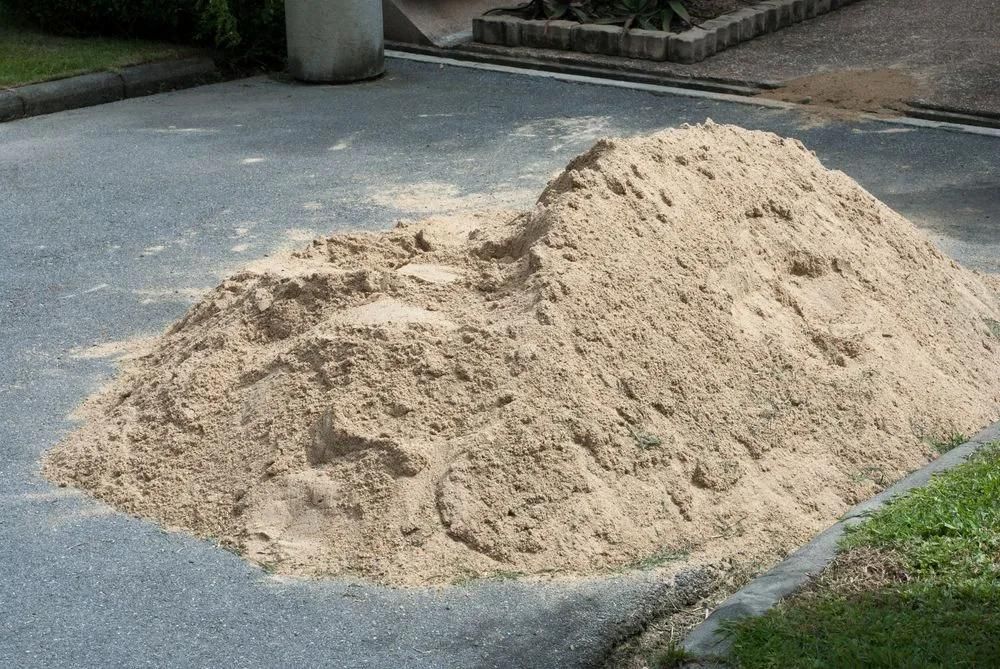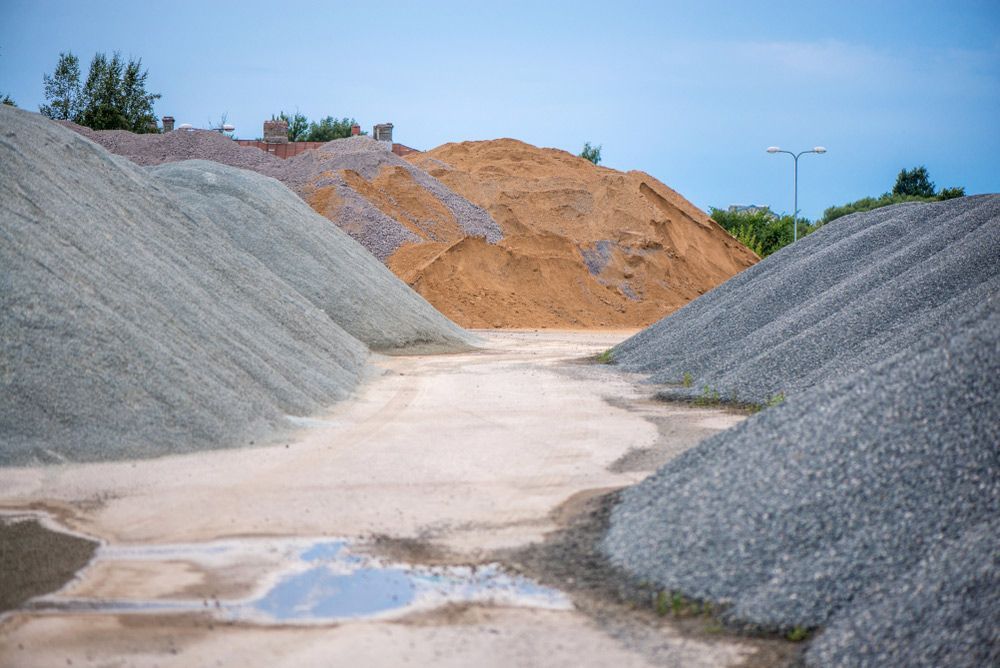
Different Sand Types And How To Use Them In Your Lismore Landscaping Project
Sand is one of the most versatile materials used in landscaping, construction and property improvement projects. While many people think of sand as a single product, there are actually several different types available, each designed for specific applications. Choosing the right sand can affect drainage, stability, plant growth, paving performance and the overall success of a project.
Whether you are building a new garden, laying pavers, preparing a driveway or completing a larger landscaping project, understanding the different types of sand can help you make better decisions. For property owners and contractors looking for reliable Landscape Supplies Lismore services, selecting the correct sand is often one of the first and most important steps.
Why Choosing the Right Sand Matters
Not all sand performs the same way. Different sands vary in particle size, texture, drainage properties and intended use. Using the wrong sand can lead to poor drainage, unstable paving, uneven surfaces or disappointing landscaping results.
Selecting the correct material helps ensure:
- Better project performance
- Improved drainage
- Greater structural stability
- Healthier plant growth
- Longer-lasting landscaping outcomes
- Reduced maintenance requirements
Understanding the purpose of each sand type makes it easier to match the material to the project.
Washed Sand
Washed sand is one of the most commonly used landscaping and construction materials. It is processed to remove excess clay, silt and impurities, resulting in a cleaner product with consistent particle sizing.
Common uses for washed sand include:
- Under-paver bedding
- Concrete mixing
- Drainage applications
- Landscaping projects
- General construction work
Because it contains fewer fine particles, washed sand often provides good drainage characteristics. This makes it suitable for projects where water movement is important. Property owners frequently choose washed sand for paving projects because it helps create a stable and level base.
Fill Sand
Fill sand is generally used where large volumes of material are required to raise levels, fill voids or create a foundation for future construction or landscaping work.
Common applications include:
- Site levelling
- Filling low areas
- Raising land levels
- General earthworks
- Base preparation
Fill sand is typically not selected for decorative landscaping or projects requiring precise drainage performance. Instead, it serves as a practical and cost-effective bulk material. Contractors and property owners often use fill sand as the first stage of site preparation before applying other landscaping products.
Brickies Sand
Brickies sand is a fine-textured sand commonly used in masonry applications. Its smooth consistency makes it suitable for mixing with cement and other materials during construction.
Typical uses include:
- Bricklaying
- Block laying
- Mortar mixes
- Rendering
- General masonry work
The finer particle size helps create a workable mixture that can be spread and shaped more easily. While brickies sand is primarily associated with construction projects, it may also be used in certain landscaping applications where a finer material is beneficial.
Bedding Sand for Paving
Paving projects require a stable and even foundation. Bedding sand is specifically used beneath pavers to help create a level surface and support long-term performance.
Benefits of bedding sand include:
- Improved paver stability
- Easier levelling during installation
- Reduced movement over time
- Better load distribution
Using the correct paving sand is important because the wrong material may result in uneven surfaces, shifting pavers or drainage issues. Many paving problems can be traced back to poor base preparation or incorrect material selection.
Sand for Drainage Applications
Drainage is a critical consideration in many landscaping projects. Poor drainage can lead to water pooling, erosion, plant health issues and damage to surrounding structures. Certain sand products are selected specifically because they allow water to move through the material more effectively.
Drainage sand may be used for:
- French drains
- Retaining wall drainage
- Garden drainage systems
- Turf preparation
- Water management projects
Choosing the correct drainage material helps improve the performance and longevity of landscaping installations.
Sand for Garden and Soil Improvement
Some landscaping projects require sand to improve soil structure and drainage. In areas with heavy clay soils, adding suitable sand can help create better growing conditions for certain plants.
Potential benefits include:
- Improved drainage
- Reduced soil compaction
- Better root development
- Enhanced water movement
However, not every sand type is suitable for garden use. The wrong material may create compaction or negatively affect soil performance. Consulting with experienced suppliers of landscape supplies northern rivers products can help ensure the correct material is selected for garden applications.
Coarse Sand vs Fine Sand
One of the main differences between sand products is particle size. Understanding the distinction between coarse and fine sand can help determine which product is most appropriate for a project.
Coarse Sand
Coarse sand contains larger particles and typically offers:
- Better drainage
- Increased stability
- Improved water movement
- Reduced compaction
Common applications include:
- Drainage systems
- Paving bases
- Construction projects
- Structural landscaping work
Fine Sand
Fine sand contains smaller particles and is often chosen for:
- Masonry applications
- Rendering
- Mortar mixes
- Finishing work
Because fine sand packs more tightly, it generally behaves differently from coarse sand in drainage and landscaping environments.
Matching Sand Types to Landscaping Projects
Understanding project requirements is the best way to determine which sand product will perform most effectively.
For example:
Garden Beds
Projects focused on plant health and drainage may benefit from sand products that improve soil structure and water movement.
Paving Areas
Paving projects typically require bedding sand and a properly prepared base to support long-term stability.
Site Preparation
Fill sand may be suitable for levelling and raising ground levels before landscaping begins.
Drainage Improvements
Coarser drainage sands are often selected where water management is a priority.
Choosing the right material from the beginning can reduce future maintenance and improve project outcomes.
Common Mistakes When Choosing Sand
Because many sands look similar at first glance, it is easy to assume they are interchangeable. However, using the wrong product can affect performance and increase project costs.
Common mistakes include:
- Using fine sand where drainage is required
- Selecting fill sand for paving applications
- Choosing decorative products instead of structural materials
- Failing to consider soil conditions
- Underestimating material quantities
Seeking professional advice before purchasing materials can help avoid these issues.
Working with a Trusted Supplier
A reliable supplier can help property owners, landscapers and contractors identify the most suitable sand for their specific project requirements.
Experienced suppliers can assist with:
- Product selection
- Quantity calculations
- Delivery planning
- Site-specific recommendations
- Material compatibility
This guidance can help ensure landscaping projects proceed smoothly and achieve the desired result.
Reach Out to Learn More
We at SLS Sand & Gravel understand that choosing between different types of sand can be confusing, particularly when every landscaping or construction project has unique requirements. Whether you are preparing a garden, installing paving, improving drainage or undertaking a larger property improvement project in Lismore or the Northern Rivers region, our team can help you select the right materials for the job. Visit our website to explore our range of landscape supplies northern rivers customers trust and speak with our team about your project requirements.