How Mulch Enhances Garden Health And Saves Water
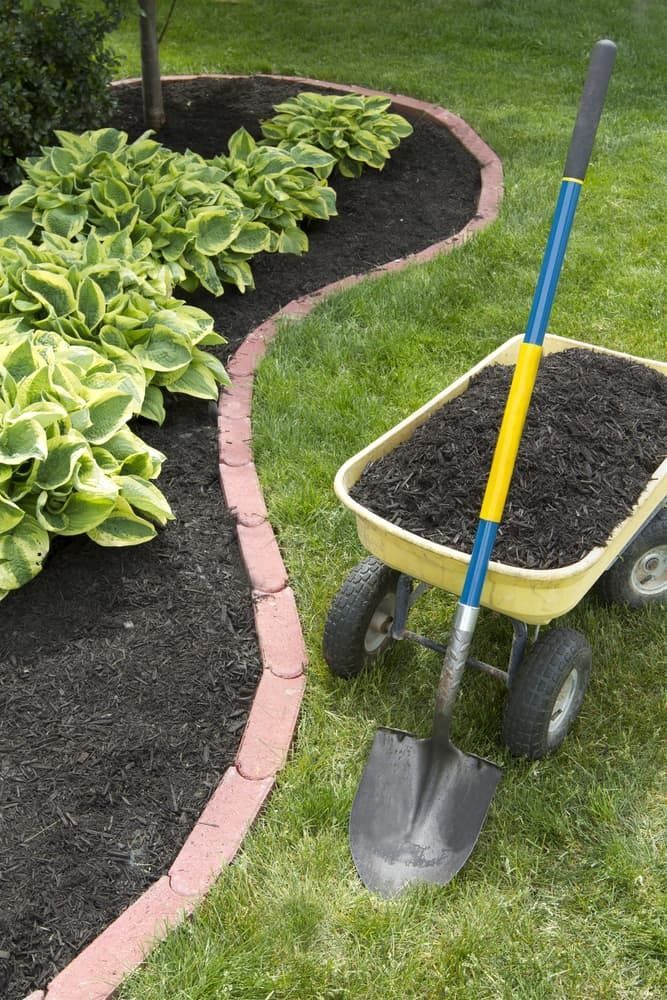
A healthy garden depends on more than plants, soil and regular watering. The surface layer of the garden bed plays an important role in how well soil holds moisture, how roots cope with heat and how much maintenance the area needs over time. Mulch is one of the simplest additions property owners and gardeners can use to improve growing conditions while reducing unnecessary water loss.
For those sourcing landscape supplies in Lismore, mulch is a practical product that supports both garden health and water efficiency. It helps protect the soil, improves the growing environment and reduces the amount of time spent managing weeds and dry garden beds. Understanding how mulch works can help you choose the right material and use it more effectively across your property.
Mulch Helps Soil Hold Moisture for Longer
One of the main benefits of mulch is its ability to slow evaporation from the soil surface. Without mulch, direct sun and wind can dry out garden beds quickly, especially during warmer periods or dry spells.
Mulch assists moisture retention by:
- Creating a protective layer over exposed soil
- Reducing direct heat on the soil surface
- Slowing water loss after rain or irrigation
- Helping roots access moisture for longer periods
This makes watering more effective because more moisture remains available to plants instead of evaporating quickly. For gardeners trying to manage water use, mulch can make a noticeable difference in how often beds need attention.
It Supports Better Root Conditions
Plant roots are sensitive to sudden temperature changes and dry soil. Mulch helps create a more stable environment beneath the surface, giving roots better conditions to grow and absorb nutrients.
Healthy root support can include:
- Cooler soil during hot weather
- Reduced stress during dry conditions
- Improved protection for shallow roots
- More consistent moisture levels around plants
When roots are less stressed, plants are often better equipped to handle seasonal changes. Mulch does not replace good soil preparation, but it helps protect the growing environment once plants are established.
Temperature Regulation Protects Garden Beds
Soil temperature can shift quickly when garden beds are left exposed. Hot days can heat the surface, while cooler nights can reduce warmth rapidly. Mulch helps moderate these changes by acting as an insulating layer.
Temperature control benefits include:
- Less heat stress on plants during warm weather
- Better protection for soil organisms
- Reduced surface crusting from sun exposure
- More stable growing conditions across the garden
For property owners sourcing landscape supplies in the Northern Rivers, this is especially useful in gardens exposed to strong sun or seasonal rainfall. A consistent soil environment supports healthier plant growth and reduces stress on the garden.
Weed Suppression Reduces Maintenance
Weeds compete with garden plants for water, nutrients and space. Mulch can help reduce weed growth by limiting sunlight reaching the soil surface, making it harder for weed seeds to germinate.
Mulch helps manage weeds by:
- Blocking light from reaching dormant seeds
- Covering exposed soil where weeds often emerge
- Reducing the need for frequent hand weeding
- Helping garden beds stay tidier for longer
While mulch will not eliminate every weed, it can make maintenance far easier. Any weeds that do appear are often easier to remove because the soil remains softer and less compacted.
Organic Mulch Can Improve Soil Over Time
Organic mulch breaks down gradually, adding natural matter back into the soil. This process can improve soil structure and support the organisms that help create healthier growing conditions.
Organic mulch may contribute to:
- Improved soil texture over time
- Better moisture movement through the soil
- Increased organic matter
- Support for worms and beneficial soil life
The rate of breakdown depends on the type of mulch used and the conditions in the garden. As mulch decomposes, it may need topping up to maintain coverage and continue protecting the soil surface.
Mulch Can Reduce Water Usage
Water conservation is one of the most practical reasons to use mulch. By helping soil hold moisture and reducing evaporation, mulch can reduce the need for frequent watering.
This can be useful for:
- Garden beds exposed to afternoon sun
- Newly planted areas needing consistent moisture
- Established gardens during dry periods
- Properties aiming to manage water use more efficiently
For gardeners choosing
landscape supplies in Lismore, mulch is a sensible addition to any water wise garden plan. It supports plant health while helping make better use of rainfall and irrigation.
Choosing the Right Mulch Matters
Different mulch types suit different garden needs. Some are better for decorative areas, while others are chosen for soil improvement or moisture retention.
Common considerations include:
- How long the mulch will last before breaking down
- Whether the area is decorative or productive
- The size and texture of the mulch material
- How easily water can pass through to the soil
A finer mulch may suit some garden beds, while chunkier materials may work well in larger landscaped areas. The right choice depends on the plants, the site conditions and the look you want to achieve.
Applying Mulch Correctly Improves Results
Even good quality mulch needs to be applied correctly. Too little may not protect the soil properly, while too much can restrict airflow or hold excess moisture against plant stems.
Good application practices include:
- Clearing weeds before spreading mulch
- Applying an even layer across the bed
- Keeping mulch away from plant stems and trunks
- Topping up mulch when it breaks down
Proper application helps avoid common problems and ensures the mulch performs as intended. It also creates a neater finish across garden beds and landscaped areas.
Mulch Works Well With Other Soil Improvements
Mulch is most effective when used as part of a broader approach to soil and garden care. Combining mulch with compost, quality soil blends or suitable drainage improvements can create stronger growing conditions.
A balanced approach may include:
- Improving soil before planting
- Adding compost or organic matter where needed
- Checking drainage in heavy or compacted areas
- Using mulch to protect the improved soil surface
For those sourcing landscape supplies in the Northern Rivers, combining the right products can help create a healthier and more resilient garden. Mulch is the finishing layer that helps protect the work done below the surface.
Regular Maintenance Keeps Mulch Effective
Mulch changes over time, especially when exposed to weather, watering and natural breakdown. Checking garden beds regularly helps ensure the mulch layer is still doing its job.
Maintenance may involve:
- Topping up thin areas
- Loosening compacted mulch where needed
- Removing weeds that appear through the surface
- Replacing mulch that has broken down significantly
This simple upkeep helps maintain moisture protection, weed suppression and visual appeal. It also gives gardeners a chance to check plant health and soil condition at the same time.
Support Healthier Gardens With the Right Supplies
If you want to improve soil moisture, reduce weeds and support healthier garden beds, mulch is a practical place to start. At S & L Sand & Gravel, we supply property owners and gardeners with landscape supplies in Lismore suited to local garden and landscaping needs. Whether you are refreshing existing beds or planning a larger outdoor project in the Northern Rivers, our team can help you choose suitable materials. Contact us today to discuss your garden supplies and organise what you need for your property.