Why Investing In Quality Landscape Materials Can Reduce Future Maintenance In Lismore
A driveway that turns to mush after the first big wet-season downpour. Garden beds that need topping up every few months because the mulch has washed away or broken down. A patio with pavers that have shifted, cracked or sunk within a year or two of being laid. These are the kinds of problems that send property owners searching for answers, and more often than not, the root cause traces back to the materials used in the first place. When you're weighing up options for
landscape supplies Lismore projects call for, the temptation to go with the cheapest option is understandable. But the real cost of a landscaping job isn't just what you pay upfront, it's what you end up paying to fix, replace or maintain it over the years that follow.
Quick Answer: When Quality Materials Pay for Themselves
For anyone comparing landscape supplies Lismore suppliers offer, quality materials earn their keep when a project has to withstand real conditions, not just look good on installation day. In the Northern Rivers, that means heavy wet-season rain, sloped blocks prone to erosion and long stretches of heat that dry out and degrade poorly graded materials fast. A well-chosen mulch, stone or aggregate holds its structure and function for longer, which means fewer call-outs, less topping up and fewer redo jobs.
Here's where the difference typically shows up:
- Driveways and paths that hold their shape through wet-season rain
- Garden beds that need less frequent mulch replacement
- Sloped areas that resist erosion rather than washing out
- Surfaces that stay level and stable under regular foot or vehicle traffic
Are Quality Landscape Materials Worth the Extra Cost?
It's a fair question, and the honest answer is that it depends on what the material is being asked to do. For a small garden bed with minimal foot traffic, a basic mulch might genuinely be fine. But for driveways, high-use paths or anything exposed to Northern Rivers rainfall and heat, the gap between a budget product and a properly graded one becomes obvious within a season or two. Cheaper aggregates can compact poorly or wash out, and lower-grade mulch can break down and blow away well before it's done its job.
The trade-off usually comes down to a few practical factors:
- How much traffic or load the area needs to handle
- Whether the site is exposed to runoff, slope or pooling water
- How often you're willing to top up or repair the area
- Whether the finished look needs to last through multiple seasons
Mulch: Why a Better Grade Means Less Topping-Up and Fewer Weeds
Mulch does more than tidy up a garden bed. A properly graded mulch retains soil moisture through drier stretches, suppresses weed growth and helps regulate soil temperature so plant roots aren't stressed by sudden heat. Lower-grade or overly fine mulch tends to break down quickly, wash away in heavy rain and lose its weed-suppressing density within a few months, which means more frequent buying and spreading to keep beds looking after and performing well.
A quality mulch generally delivers on a few fronts at once:
- Slower breakdown, meaning fewer top-ups across the year
- Denser coverage that blocks light from reaching weed seeds
- Better moisture retention during warmer months
- Reduced soil erosion on garden beds with any slope
If you want a closer look at how the right product supports plant health long term, our piece on how mulch enhances garden health covers this in more detail. You can also browse our mulch range to compare grades before deciding what suits your beds.
Decorative Stones vs Mulch: The Low-Maintenance Trade-off
Decorative stones and pebbles are worth considering wherever ongoing upkeep is the main concern. Unlike organic mulch, stones don't break down, so there's no annual replenishment and no risk of them thinning out over a season. They still suppress weeds and help regulate soil temperature, and because they're heavier and more stable, they're less prone to being displaced by wind or heavy rain than lighter mulch.
The trade-off is worth understanding before you commit either way:
- Stones need no topping up once laid, mulch typically does
- Mulch feeds the soil as it breaks down, stones don't
- Stones handle wet-season runoff and wind with less disturbance
- Mulch suits garden beds where soil improvement matters most
Neither option is universally better, it comes down to whether you're prioritising soil health or long-term low maintenance. For ideas on where stones work well in a layout, our guide to decorative rocks and stones ideas shows some practical applications.
Gravel, Aggregates & Road Base: A Durable Foundation That Lasts
Nothing exposes poor-quality base material faster than a wet Northern Rivers season. Driveways and paths built on a weak or poorly graded base tend to develop ruts, potholes and drainage problems once the ground gets saturated. Well-graded gravel and aggregates, including road base, compact properly and allow water to move through rather than pool on the surface, which is the difference between a driveway that holds up and one that needs constant patching.
A properly specified base layer typically supports:
- Stable compaction that resists rutting under vehicle weight
- Better drainage during heavy or prolonged rainfall
- Reduced erosion on sloped driveways and access tracks
- A longer working life before resurfacing is needed
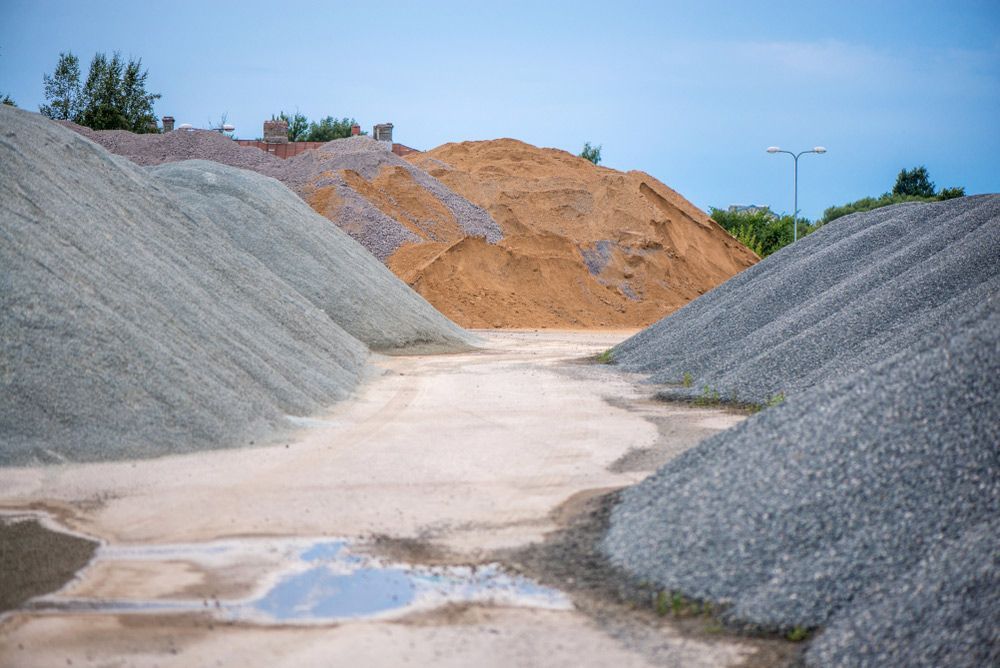
We supply aggregates and road base ranging from 10mm right up to 300mm, so the right size can be matched to whether you're building a driveway, laying a drainage line or preparing a rural access track.
Pavers Built to Handle Northern Rivers Weather
Paved paths and patios take a beating over time from sun exposure, heavy rain and the shifting ground that comes with wet-dry cycles. Durable, well-made pavers hold their shape and colour better, and when they're laid on a properly prepared base, they resist the sinking and unevenness that cheaper pavers or poor installation practices tend to produce. That stability matters most in areas that see regular foot traffic or outdoor entertaining.
The features that tend to separate a paver that lasts from one that doesn't include:
- Consistent thickness and density for even wear
- Resistance to cracking under temperature and moisture changes
- A surface finish that holds up to regular foot traffic
- Long-term colour retention rather than early fading
Paired with a solid base layer, quality pavers are one of the more reliable ways to create outdoor areas that don't need constant attention.
FAQs
Do quality landscape materials really reduce long-term maintenance?
Yes, in most cases. Better-graded mulch, stone and aggregate hold their structure and function for longer, which reduces how often they need topping up, repairing or replacing.
Which mulch lasts longest and suppresses weeds best?
Denser, properly graded mulch breaks down more slowly and forms a thicker barrier against weed growth than fine or low-grade mulch, which tends to wash away and thin out quickly.
Do decorative stones need less maintenance than mulch?
Generally, yes. Stones don't break down or need replenishing the way organic mulch does, though mulch offers soil health benefits that stones don't provide.
What gravel size is best for a driveway in a wet climate?
The right size depends on the driveway's use and slope, but well-graded aggregates that compact properly and support drainage tend to perform best in areas with heavy seasonal rain.
Is it always worth paying more for quality materials?
Not always. For low-traffic or low-exposure areas, a basic product can be perfectly adequate. Quality materials earn their cost where durability, drainage or heavy use are involved.
Get In Touch With S & L Sand & Gravel Pty Ltd
We at S & L Sand & Gravel Pty Ltd have spent years supplying landscape materials to homeowners, gardeners and small-scale landscapers across the Northern Rivers, and we've seen firsthand how the right material choice holds up against wet-season rain, sloped blocks and long stretches of heat. If you're planning a project and want to talk through which mulch, stone, aggregate or paver suits your site, our team is happy to help. Choosing the right landscape supplies in Lismore from the outset can save a good deal of hassle down the track, so give us a call for material advice or to arrange a delivery quote.